Odor nuisances
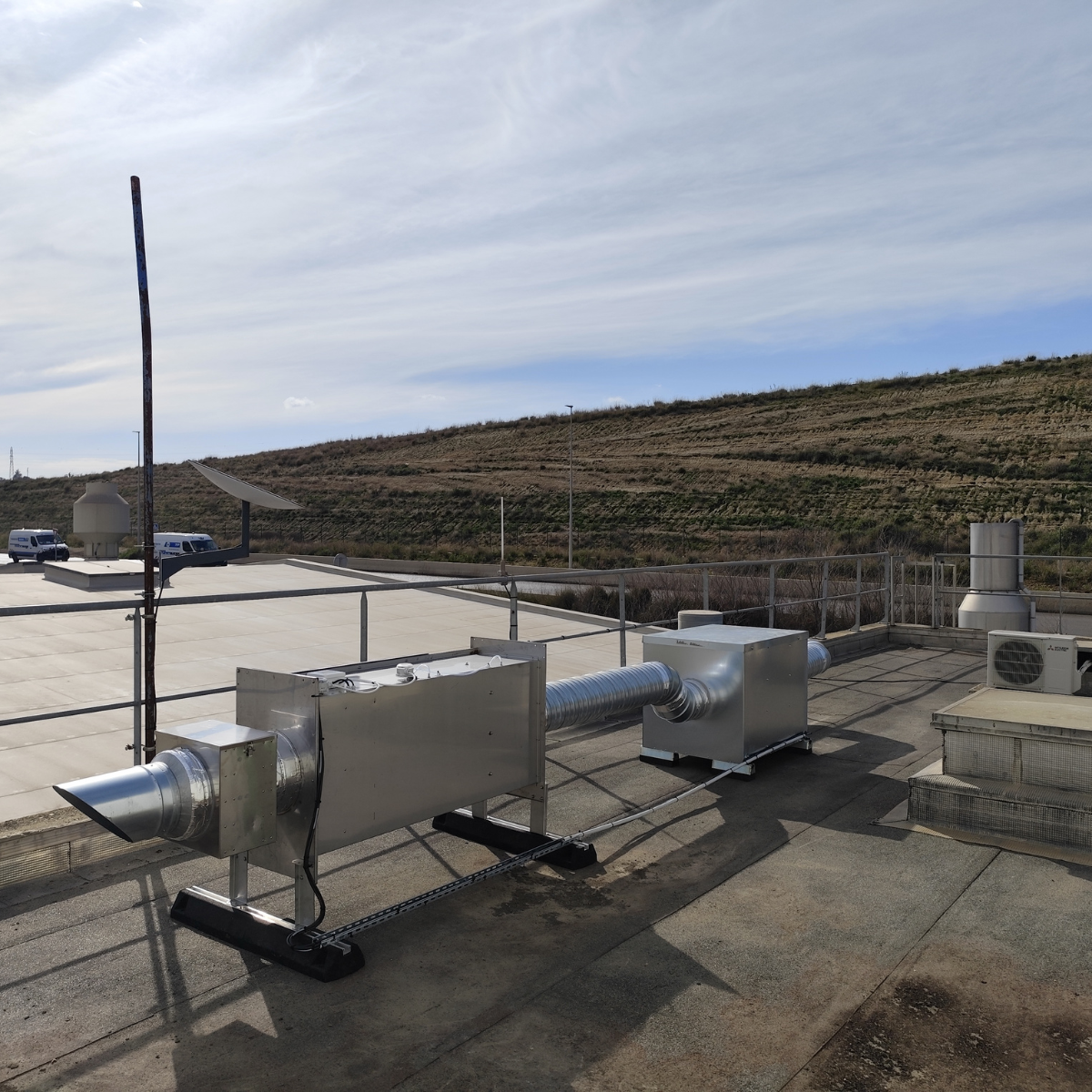
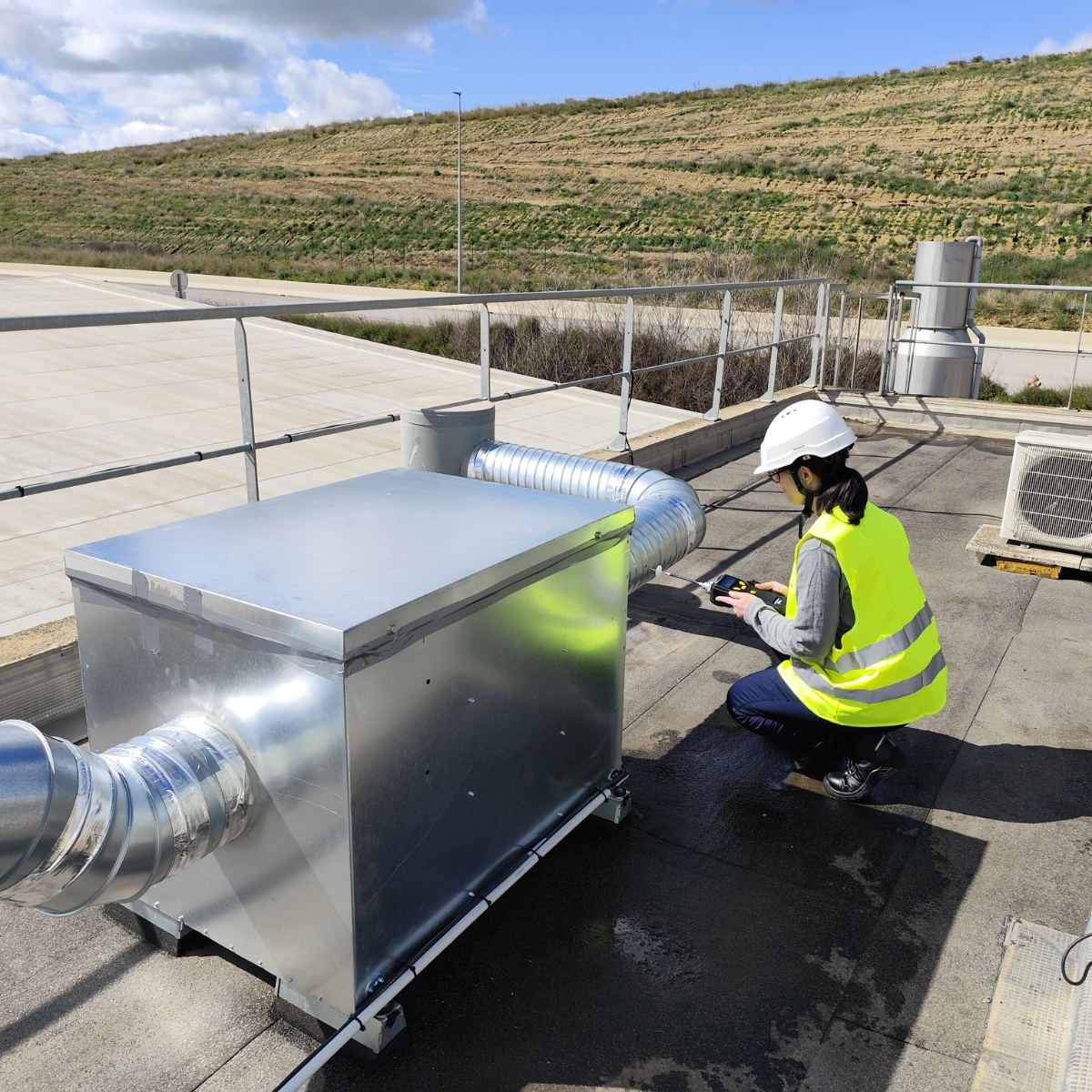
Although there is little regulatory oversight, odor pollution can affect the acceptability of facilities, generate tensions with local residents, and constrain operating conditions.
These situations affect many sites, regardless of their activity or environment, particularly when emissions are diffuse, fluctuating, or complex to characterize.
Our technology can treat air flows laden with odorous compounds, whether from continuous or discontinuous processes, with an efficiency adapted to the variability of emissions. Let’s discuss it.
Solvents, VOCs, and alcohols
Emissions of solvents, volatile organic compounds (VOCs), and industrial alcohols are an environmental and regulatory challenge for many sites, given the changing requirements that apply.
These emissions are often characterized by variable concentrations, heterogeneous compositions, and continuous or discontinuous operating regimes, making them difficult to control.
Our technology helps control air flows laden with solvents, VOCs, and industrial alcohols by adapting to variations in emission flow rate, concentration, and composition. Let’s discuss it.
Complex mixtures
Some atmospheric emissions have complex and evolving compositions, combining several families of compounds and variable operating conditions.
These situations, which are often difficult to characterize and anticipate, can make conventional treatment solutions unsuitable or insufficiently flexible.
In these contexts, our technology can be integrated or combined with other treatment solutions to help achieve reduction targets for complex pollutants. Let’s discuss it.